What is the average IQ score in the US state Arkansas? How Smart is Arkansas people?


"Arkansas struggles with low proficiency and widening achievement gaps, especially in rural and high-poverty areas; but recent strategies on early childhood, literacy, and career pathways show promise."
Arkansas today reveals persistent challenges in student outcomes and readiness. Many students perform below proficiency in reading and mathematics, especially those from low-income households, rural districts, or who face language or disability barriers. The state ranks poorly on child wellbeing and educational outcome metrics. However, there are focused efforts underway: expanding early childhood education, prioritizing literacy, strengthening career pathways and workforce readiness, and recent increases in teacher pay. Community health, availability of after-school programs, and family resources remain crucial influences, alongside school conditions and quality of instruction. While data shows outcomes declining during pandemic years, Arkansas has identified these weak points and set strategic priorities to improve.
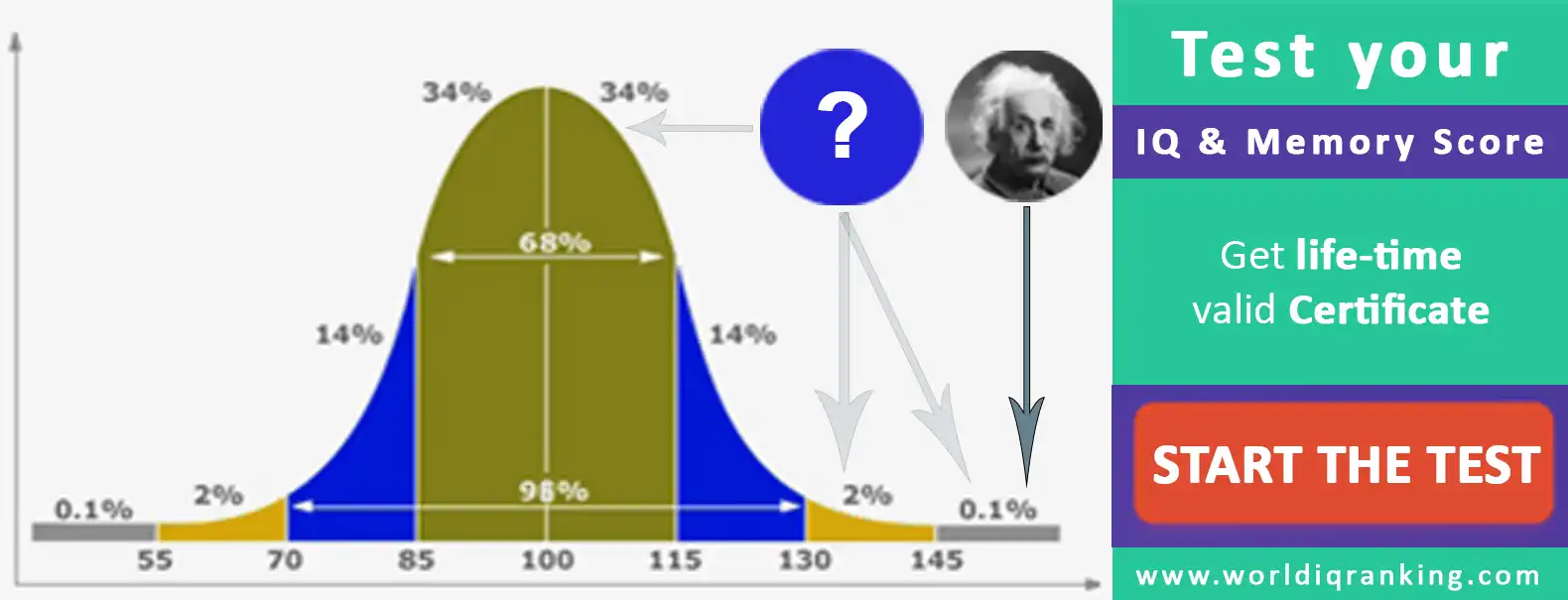
Average IQ in Arkansas is 97.5
Based on the above factors and the IQ test history
For Arkansas to enhance intelligence-related outcomes, the path lies through equity-oriented reform: supporting early learning, closing literacy gaps, and ensuring that schools in rural and economically disadvantaged regions have strong supports and teachers. Expanding access to healthcare and stable housing, strengthening nutrition and social services, and reducing barriers (transport, broadband, resources) are equally essential. Arkansas must monitor progress with reliable data, adapt interventions, and invest in teacher capacity and student supports—not only in top performing areas but in places lagging behind. Only then can achievement become more uniform, opportunity more just.
[ While IQ alone does not define the full range of human intelligence or potential. IQ is just one of many dimensions of human potential. ]