What is the average IQ score in the US state Montana? How Smart is Montana people?


"Montana has moderate postsecondary credential attainment goals, low population density, and rural schooling challenges in access and infrastructure."
Montana has set a statewide goal of achieving ~61% post-high school credential attainment by 2025; current estimates place attainment at about 53%. The state’s rural character—sparse population, geographic isolation—means many students have limited access to advanced coursework and face higher per-student costs. Broadband access, transportation distances, and staffing challenges are common. Graduation rate is generally stable but some school districts see lagging performance in remote areas. (Sources: Lumina, NCES, Montana Ed Facts) :contentReference[oaicite:3]{index=3}
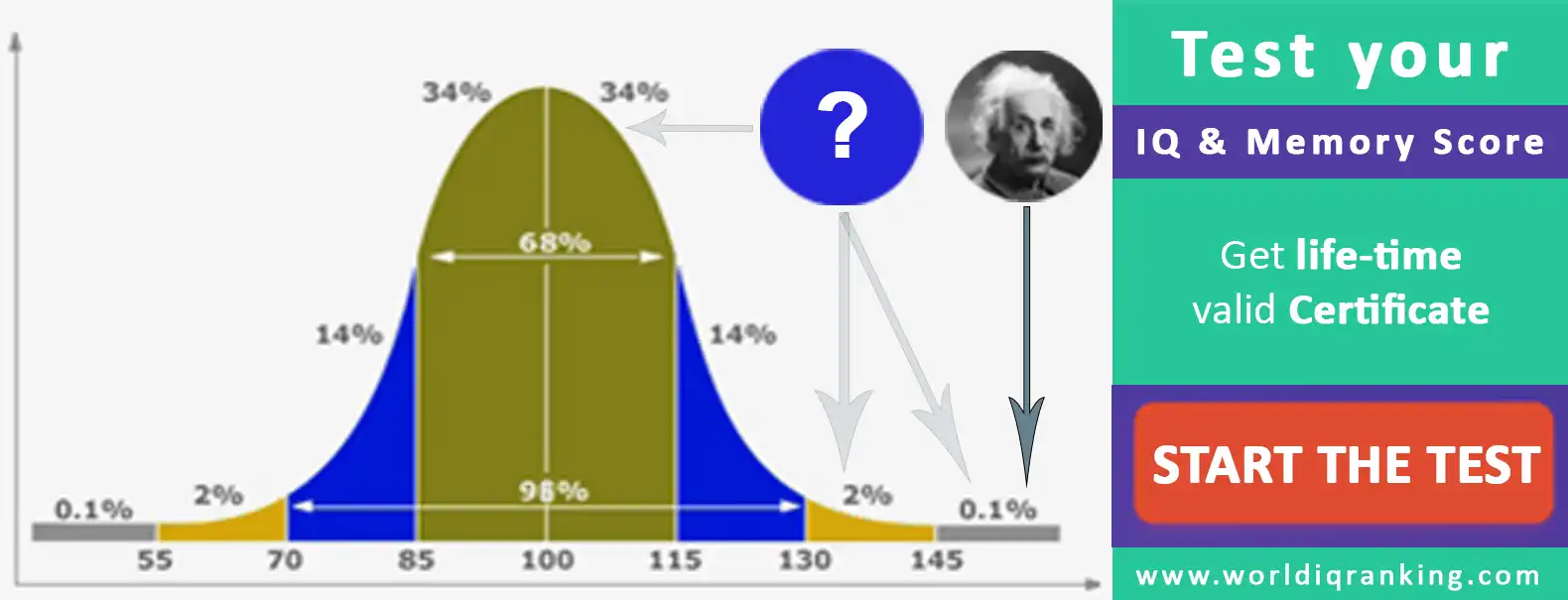
Average IQ in Montana is 103.4
Based on the above factors and the IQ test history
Improving readiness in Montana means amplifying investment in rural education: ensuring equitable access to early childhood programs, improving connectivity (internet and transport), and incentivizing teacher recruitment in remote areas. Policies to support adult education, continuing credentialing, and tying educational opportunity with local workforce demand will matter. With concerted effort, even its geographic challenges need not limit Montana from raising educational outcomes more uniformly state-wide.
[ While IQ alone does not define the full range of human intelligence or potential. IQ is just one of many dimensions of human potential. ]